Feature
In Control
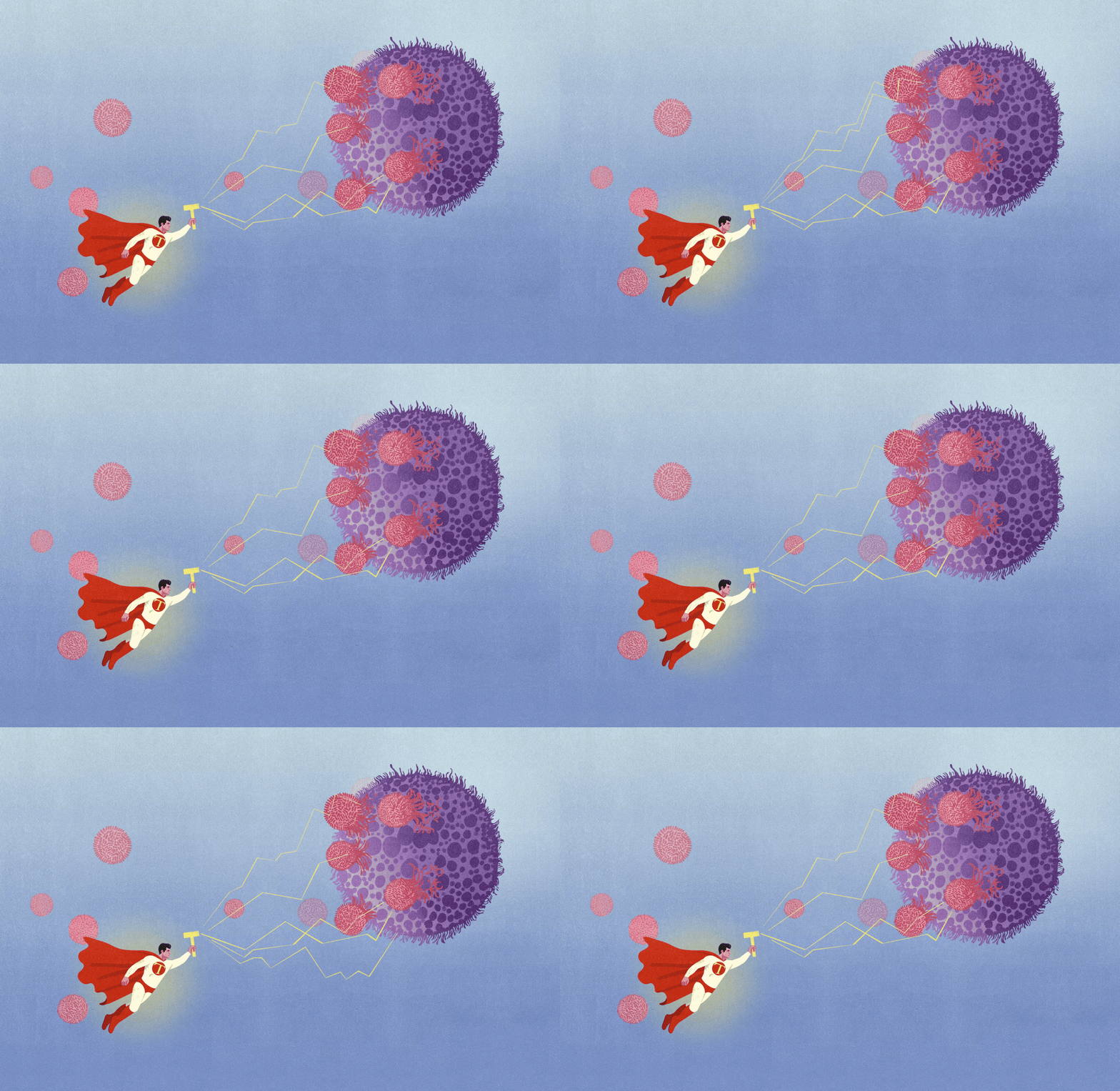
Immunotherapy has proven to be a wonder drug—for certain patients, against certain cancers. For others, it doesn’t work at all. Can striking new insights into the immune system help immunotherapy finally live up to its full potential?
By Alexander GelfandThere was a time, recalls Rockefeller scientist Sohail Tavazoie, when metastatic melanoma—an advanced form of skin cancer that has spread to other parts of the body—was almost universally fatal.
“It was basically a death sentence,” says Tavazoie, head of the Elizabeth and Vincent Meyer Laboratory of Systems Cancer Biology. “You would be given chemotherapy, but you would soon die.”
The advent of modern immunotherapy treatments, which were first approved in 2011, changed that: Fifteen years ago, the median survival rate for patients with metastatic melanoma was just six and a half months. Today, more than half stand to survive cancer-free for a decade or more.
Such benefits have gradually spread to a wide range of cancer patients. Immunotherapies, which enlist the body’s own immune system in the fight against cancer, are now approved for malignancies ranging from renal cell carcinoma to Hodgkin lymphoma, extending millions of lives and in some cases, effectively curing patients after conventional treatments like radiation and chemotherapy have failed.
Revolutionary though it may be, however, immunotherapy still has limitations—and risks.
For one, not all patients respond to it. Oncologists like Tavazoie estimate that modern immunotherapies work, to some degree, on perhaps 25 percent of patients who try it. And they have little to no effect on certain tumors, including aggressive forms of pancreatic, liver, and most breast cancers. (This comes at a time when rates of some common forms of cancer have been rising—largely among young people, and for reasons that are not yet well understood.)
What’s more, while scientists often hail immunotherapy as a “clean” form of cancer therapy compared to treatments like radiation and chemotherapy, manipulating the immune system can lead to severe side effects.
“Immunotherapy is transformative. It is exciting,” says Tavazoie. “But it can also be quite toxic.”
Checkpoint inhibitors—the most common variety of immunotherapy drugs—block certain proteins that act like brakes on the immune system. Under ordinary circumstances, these molecules prevent T cells from going after healthy cells. But tumors can also shield themselves behind checkpoint proteins. And therein lies the trade-off: Removing that shield boosts the body’s immune response to cancer, but it also removes an important safeguard, exacerbating autoimmune disorders in people who already have them, and triggering them in people who don’t.
“Immunotherapy is transformative. It is exciting. But it can also be quite toxic.” Tavazoie
As a result, immunotherapy treatments must at times be blunted with the same immunosuppressant drugs that are given to organ transplant recipients. Even still, the ensuing complications can become so severe that, in rare cases, they turn fatal.
But new research is beginning to show that immunotherapy needn’t be a double-edged sword. For example, Tavazoie, who also treats patients as an attending medical oncologist at Memorial Sloan Kettering Cancer Center, developed a drug that has demonstrated promising results in early-stage clinical trials: Trial data published last year indicated that the compound dubbed abequolixron shrank tumors in a clinical trial of patients with metastatic lung cancer who hadn’t previously responded to other forms of immunotherapy with no serious side effects. “It was incredibly exciting and rewarding to see patients’ metastases shrink,” says Tavazoie, who explains that the therapy works by killing abnormal immune cells that suppress T cell activity inside tumors.
That sense of excitement is shared by a growing community of Rockefeller scientists who are working to extend the benefits of immunotherapy to more patients and better manage its downside. Ekaterina V. Vinogradova, for instance, employs sophisticated chemical tools and mass spectrometry-enabled platforms to search for new targets and drugs that can reinvigorate immune cells that have lost their cancer-fighting mojo. Kivanç Birsoy has devised a compelling new approach to identifying not only drugs but also dietary interventions that can prevent tumors from outsmarting T cells. And Jeffrey V. Ravetch is engineering antibodies to beat back some of the most intractable forms of the disease.
These new strategies for treating cancer were born out of striking new insights into the mechanics of the human immune system and the differences between healthy and unhealthy cells. And each new breakthrough further untangles the intricate web of genetic, molecular, and biochemical factors that have thus far prevented immunotherapy from living up to its full promise.
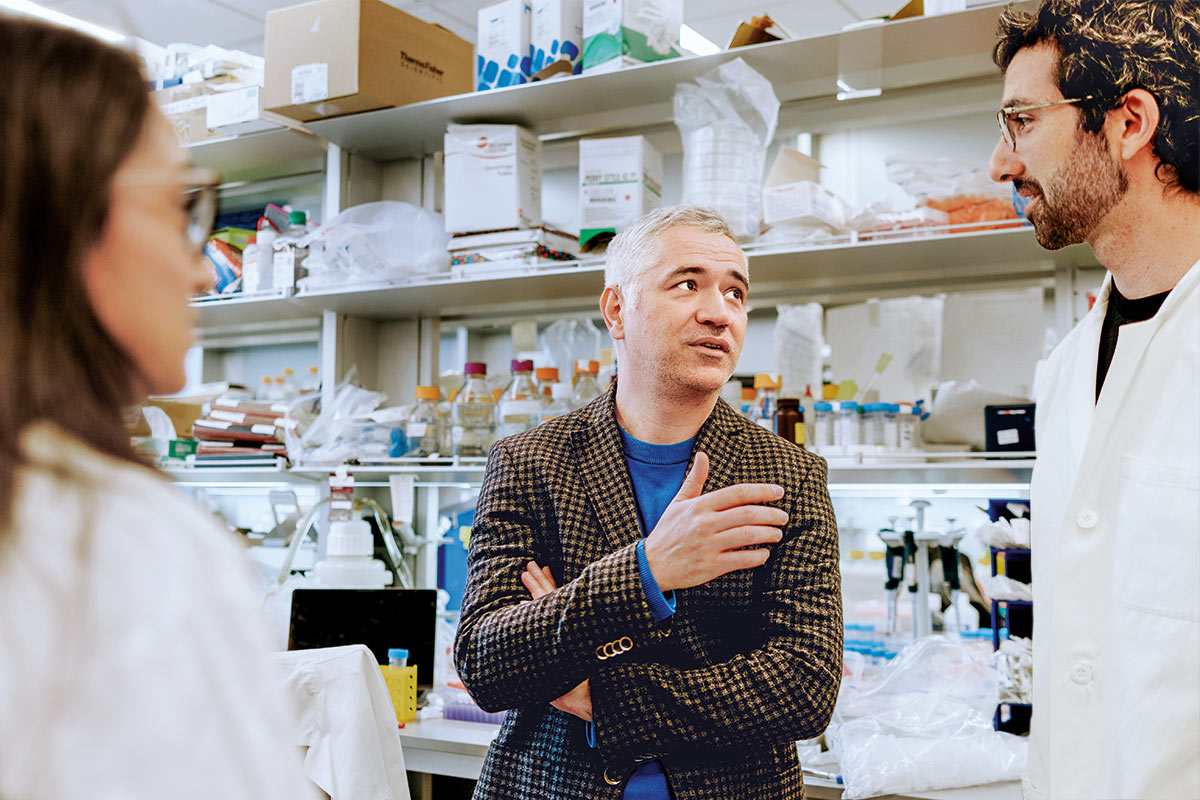
Tavazoie, Ravetch, Vinogradova, and Birsoy all receive support from the Weill Cancer Hub East, a joint venture between Rockefeller, Weill Cornell Medicine, Princeton University, and the Ludwig Institute for Cancer Research that seeks to improve immunotherapy by investigating how metabolism affects the immune system’s ability to recognize and control cancer.
“It’s an area that’s really been understudied,” says Tavazoie, who serves on the Hub’s scientific steering committee.
Birsoy, who heads the Laboratory of Metabolic Regulation and Genetics, has been working to rectify that situation longer than most: For more than a decade, he has explored the intersection between metabolism, cancer, and the immune system, along the way producing a string of profoundly new insights.
When Birsoy and other scientists talk about metabolism, they mean all the chemical reactions carried out within our cells. At the macro level, metabolism begins with the food we put in our mouths; at the micro level, it includes the molecular machinery that transports nutrients across cell membranes and turns them into fuel.
“Our goal is to target cancer’s metabolism—what cancer cells eat, how they generate energy—so immune cells can kill them more effectively,” he says.
That task is complicated by the fact that every form of cancer appears to have its own unique metabolism based on its tissue of origin (liver, pancreas, brain) and the genetic mutations that drive it.
Nonetheless, Birsoy is making impressive progress. In 2024, for example, he published a study demonstrating that an aggressive form of pancreatic cancer that does not respond to checkpoint inhibitors exploits the fatty substances known as lipids to hide from the immune system. Better still, he showed that an FDA-approved drug could render it visible again.
Scientists have long known that high lipid levels go hand-in-hand with the growth and spread of cancer. But they tended to assume that that was because cancer cells were using the fatty molecules as fuel. Birsoy, however, established that in the case of at least one form of pancreatic cancer with a specific genetic mutation, the cancer cells were instead using lipids as a kind of cloaking device.
The lipids in question, known as sphingolipids, are commonly found in cell membranes. Working with animal models, Birsoy and his team showed that by cranking up the sphingolipid content of their own membranes, cancer cells were able to interfere with the molecular signals that immune cells normally rely upon to perceive them. Genetically blocking the production of sphingolipids allowed the immune system to “see” the cancer cells again, and administering checkpoint inhibitors together with a drug called eliglustat that inhibits sphingolipid production caused the animals’ tumors to shrink substantially.
“Our goal is to target cancer’s metabolism—what cancer cells eat, how they generate energy—so immune cells can kill them more effectively.” Birsoy
Eliglustat was originally approved as a treatment for Gaucher disease, a metabolic disorder that causes sphingolipids to accumulate in various organs. Its ability to boost the efficacy of checkpoint inhibitors supports Birsoy’s hypothesis that interfering with cancer metabolism could improve immunotherapies. Birsoy has since found another sphingolipid that appears to perform the same cloaking function for an aggressive form of liver cancer that is also resistant to checkpoint inhibitors, suggesting the possibility of a similar treatment.
But sphingolipids aren’t just found in cell membranes: They are also found in the foods we eat, like red meat and chicken. And that suggests there might be ways of modifying patients’ diets, from adding supplements to eating more of certain foods and less of others, that could help improve the efficacy of immune therapies—modifications that could be moved into human testing much more quickly than new drugs, and that would come without potentially harmful side effects.
“What we’re learning in my lab could lead to dietary regimens that increase the effectiveness of immune therapies,” Birsoy says.
Birsoy suspects that most metabolically oriented immunotherapies will complement rather than replace other treatments, if only because cancer is such a wily and multifaceted adversary that metabolic factors cannot fully explain what’s going on.
But that holds true for all the approaches being pursued across campus: More often than not, the ultimate goal is to combine multiple therapies, achieving synergistic effects and improving outcomes for the largest possible number of patients by filling in yet another piece of the immunotherapeutic puzzle.
“We’re all coming at this from different angles,” Birsoy says. “That’s how you create a full picture.”
Birsoy is trying to help battle-ready immune cells root out and kill tumors that are hiding in plain sight. But what can be done to refresh battle-weary ones that have become too tired to fight in the first place? And how can you avoid overstimulating them to the point where they begin attacking healthy tissues?
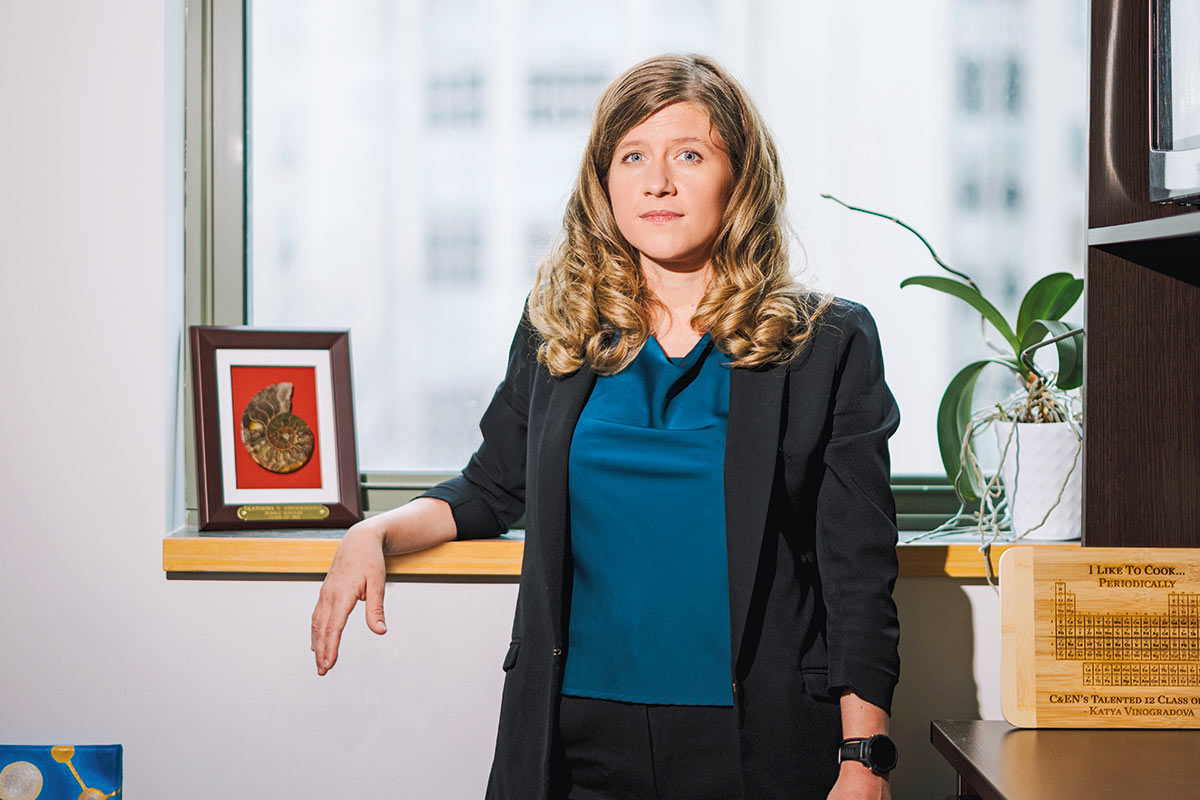
Ekaterina Vinogradova, head of the Laboratory of Chemical Immunology and Proteomics, is trying to solve both those problems at once.
T cells that are chronically stimulated can eventually become exhausted, losing the ability to wage war against whatever they’ve been fighting. This phenomenon poses a major challenge to immunotherapy: One of the telltale signs of T cell exhaustion, for instance, is an increase in the checkpoint proteins that suppress T cell activity; and while checkpoint inhibitors can overcome that to some extent, most patients either don’t respond to the drugs or eventually develop resistance to them. Even the enhanced T cells employed in CAR-T therapy, which genetically modify a patient’s T cells so they can better recognize and attack cancerous ones, become exhausted after a while.
New ways of rejuvenating exhausted T cells are therefore badly needed. But finding them will require a better understanding of the mechanisms behind T cell exhaustion, and of the fundamental differences between exhausted T cells and normal ones.
Towards that end, Vinogradova has developed a platform for probing the inner workings of human T cells using amino acids called cysteines. The latter play important biological roles and can simultaneously provide insights into dynamic changes in the structure and function of T cell proteins, which in turn affect the cells’ ability to do their jobs.
Cysteines readily form chemical bonds with a particular kind of small molecule, but their reactivity changes depending on the state—functional or dysfunctional, healthy or diseased—of the proteins they are embedded in. By probing the cysteines inside T cell proteins with specially designed small molecules, Vinogradova can use them as sensors to gather information on the biochemical differences between normal and exhausted T cells.
Because therapeutic drugs are also made from small molecules, this approach can help identify potential targets for new T cell treatments at the same time: If a small-molecule probe reveals that a particular protein plays a role in T cell exhaustion, a small-molecule drug that targets the same protein could help reverse or prevent the condition. And because the proteins Vinogradova probes aren’t targeted by current immunotherapies, her work could lead to a whole new class of drugs.
“We’re trying to understand basic mechanisms, but ultimately these findings can be used to develop therapeutics,” she says.
As a postdoc at The Scripps Research Institute, prior to coming to Rockefeller, Vinogradova mapped more than 3,400 reactive cysteines distributed throughout more than 2,200 T cell proteins. Some of her probes measured the overall reactivity of the cysteines, while others tested their suitability as potential drug targets. Vinogradova was able to compare data from activated T cells with data from quiescent ones, which are idling but ready to jump into action. She then went a step further and identified several chemical compounds that suppressed activated T cells through a variety of mechanisms, which could lead to new methods for corralling the overactive T cells involved in autoimmune disorders.
“It’s always a balancing act. That’s why we’re looking at tactivation and reactivation of T cell exhaustion.” Vinogradova
Since coming to Rockefeller in 2020, Vinogradova has continued to refine and expand her platform with an eye towards finding drugs that can prevent and reverse T cell exhaustion without causing the immune system to run amok.
Together with colleagues at Memorial Sloan Kettering, she is developing additional platforms for comparing quiescent, activated, and exhausted T cells that will shed even more light on the molecular pathways that drive cellular dysfunction. Her lab is also applying improved methods to map the proteomic differences in T cells directly from cancer patients. And she is collaborating with Birsoy to better understand how metabolism affects cysteine reactivity and T cell function.
Even as the scope of her investigations grows, however, Vinogradova’s objective remains the same: to identify novel drugs that can reinvigorate the immune system without causing collateral damage.
“It’s always a balancing act,” she says. “That’s why we’re looking at both suppression of T cell activation and reactivation of T cell exhaustion: Understanding both parts of the equation will help us to develop better therapeutic strategies.”
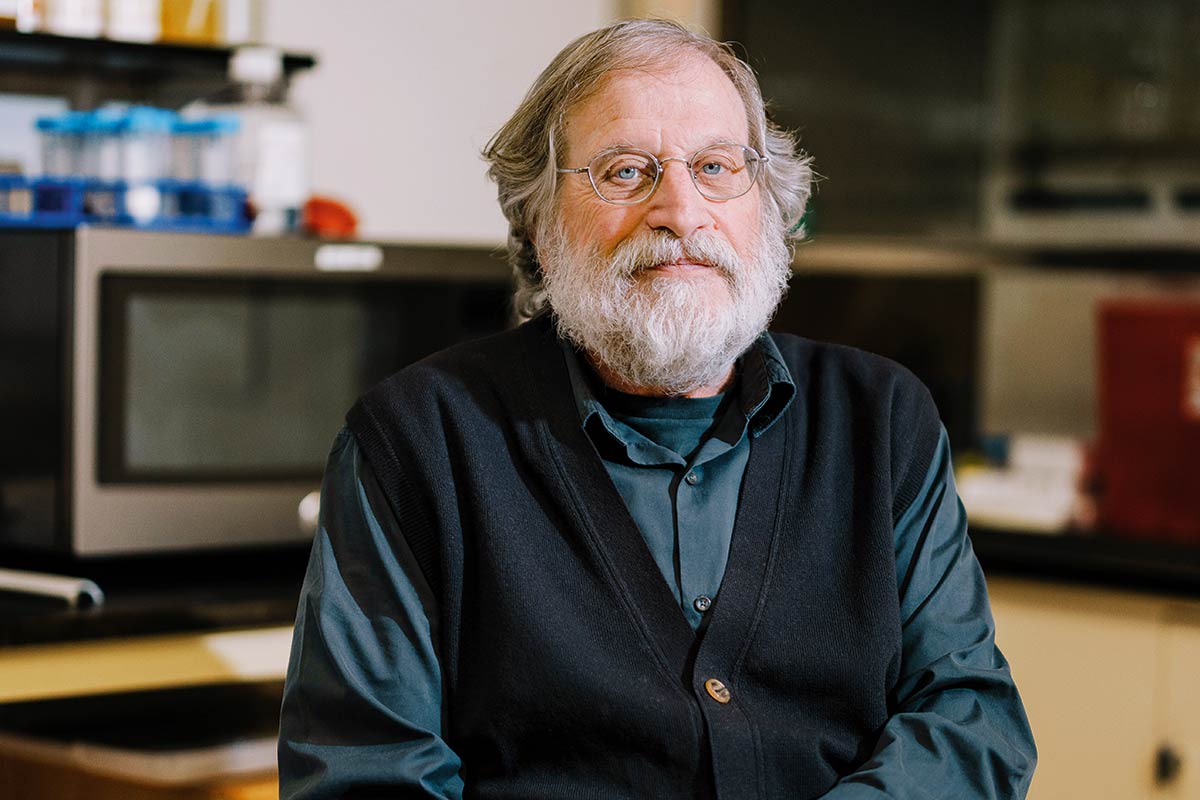
Jeff Ravetch’s interest in cancer sprang from his long-standing fascination with antibodies, which serve not only as one of the body’s principal tools for fighting disease but also as the primary ingredient in many immunotherapy treatments.
As head of the Leonard Wagner Laboratory of Molecular Genetics and Immunology, Ravetch has spent decades identifying a wide range of health implications that arise from one piece of a human antibody, known as the fragment crystallizable (Fc) region. Most immune cells have special receptors that either trigger or suppress inflammation by binding to this pivotal region, which lends the Fc an outsized role in ramping up and tamping down immune responses to all kinds of perceived threats. When the antibody-based anticancer drug Herceptin was first introduced in the 1990s, for example, scientists thought it worked by blocking a protein that fuels the growth of a particularly aggressive form of breast cancer. Ravetch, however, showed that the drug’s tumor-shrinking powers were tied to its ability to bind to a particular Fc receptor, an insight that allowed drug developers to increase the effectiveness not only of Herceptin but of several other antibody-based cancer treatments.
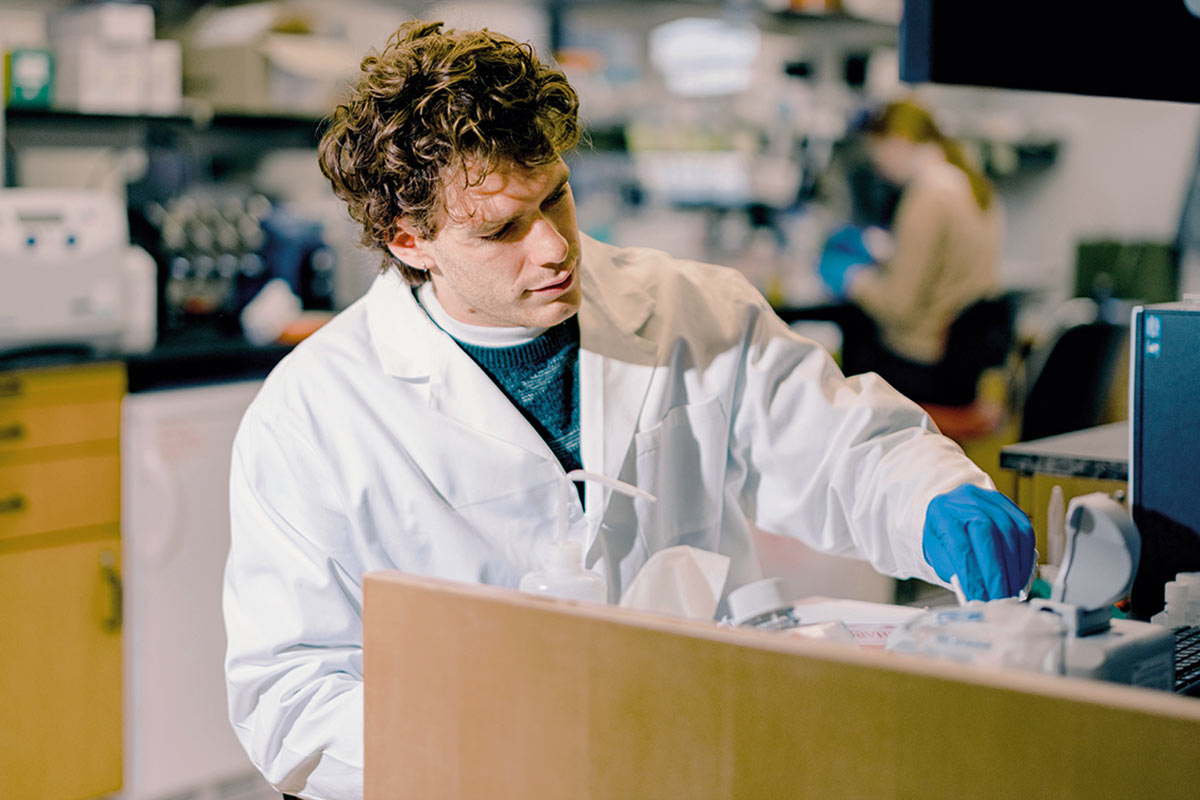
Now, Ravetch has leveraged the Fc to build an entirely new type of antibody-based immunotherapy.
The drug targets a receptor called CD40 that is found on various immune cells, including the dendritic cells that help activate T cells. In the early days of the immunotherapy revolution, several major pharmaceutical companies tried to develop cancer treatments using antibodies that could rouse the immune system by binding CD40. But while those antibodies showed therapeutic promise in mice, they didn’t work particularly well in people. Instead, they severely sickened patients, damaging their livers and blood.
Working with one such antibody, Ravetch and his colleagues determined that the molecule worked in mice but not in humans because it could only bind mouse Fc receptors and not human ones. By modifying its Fc, Ravetch was able to increase the antibody’s potency against tumors containing human receptors by a factor of 10.
At first, those more powerful antibodies were also more toxic. But Ravetch surmised that this stemmed from the fact that CD40 is found on many non-immune cells as well, embedded in all manner of tissues throughout the body. So Ravetch proposed administering his antibodies locally instead, injecting them directly into the tumors of cancer patients in a clinical trial conducted at The Rockefeller University Hospital. Even with targeted injections, he reasoned the treatment might produce wider vaccine-like effects, prompting the immune system to seek out and destroy cancer cells wherever they lurked.
In the trial, antibodies effectively transformed their tumors into structures resembling lymph nodes. “That was really extraordinary.”Ravetch
The trial, which ran from 2020 to 2024 with support from the Robertson (now Black Family) Therapeutic Development Fund, proved Ravetch right on all counts: Of the 12 patients enrolled, six saw their tumors shrink significantly, while two more saw the tumors that had spread throughout their bodies disappear completely. One of them had a form of metastatic breast cancer that generally doesn’t respond to immunotherapy at all, but after a series of injections to a tumor in her armpit, the tumors in her liver and lungs disappeared as well. None experienced severe side effects from the treatment.
“It was absolutely exceptional to see what was happening in patients,” says Juan Osorio, a medical oncologist at Memorial Sloan Kettering and a visiting assistant professor in Ravetch’s lab who was lead author on a paper that described the study in the journal Cancer Cell this past summer.
The researchers were also surprised to discover that the antibodies effectively transformed their tumors into structures resembling lymph nodes—immune system factories that are packed full of dendritic cells, T cells, and antibody-producing B cells. “That was really extraordinary,” Ravetch says.
Additional trials are now underway at Memorial Sloan Kettering and Duke University to see how these modified antibodies fare against bladder, prostate, and brain cancer, and Ravetch and Osorio are looking at the possibility of further improving their efficacy by combining them with other therapies. They are also searching for biomarkers that could help explain why some patients respond to the antibodies while others do not—information that could be used to identify patients who would benefit from the treatment, and to develop ways of turning those who don’t into ones who do. “All of us here have the same end goal,” Ravetch says, “We all want to convert more cancer patients into cancer survivors.”
Along the way, he and his colleagues may wind up doing even more; for as history has demonstrated time and again, basic research tends to pay unanticipated dividends.
For instance, Vinogradova’s work on T cell exhaustion may prove relevant to diseases as disparate as multiple sclerosis and tuberculosis, just as Birsoy’s work on metabolism and the immune system could lead to fresh strategies for treating metabolic disorders. Ravetch’s Fc research has already led to a novel potential treatment for autoimmune disease that is entering phase 2 trials. And Tavazoie’s tumor-shrinking drug grew out of his serendipitous discovery that a gene associated with Alzheimer’s disease also drives metastasis—a finding that could lead to a better understanding of Alzheimer’s itself.
“That’s what’s wonderful about science,” Tavazoie says. “When you take a systematic approach, it can lead you to make unexpected links between different areas of biology and disease.”